


Table of Contents
What is the main cause of sleep apnea?
Snoring and Sleep Apnea; Recurrent cessations of breathing during sleep define sleep apnea, a sleep condition. Causes of OSA and CSA, the two most common forms of the disorder, are distinct from one another.
The most frequent kind of sleep apnea is obstructive snoring and sleep apnea which develops when throat muscles relax and block the airway. The most common variables that contribute to OSA are:
Excess weight, especially around the neck, has been linked to an increased likelihood of developing OSA. The accumulation of fat in the neck might restrict airflow.
Anatomical factors can play a role in OSA as well, including small airways or swollen tonsils or adenoids.
The loss of muscular tone and relaxation of the throat muscles that accompany aging contribute to the increased prevalence of obstructive sleep apnea in the elderly.
There may be a genetic component to OSA, and a family history of the disorder may raise one’s risk.
OSA is more prevalent in males than females, but the risk rises in females, especially after menopause.
Use of Sedatives with Alcohol Consumption of alcohol or sedatives or the use of muscle relaxants can cause the muscles in the back of the throat to relax, leading to a narrowing of the airway.
As a result of smoking, the upper airway may become more inflamed and retain more fluid, increasing the risk of blockage.
Chronic nasal congestion can make it difficult to breathe through the nose, which increases the risk of obstructive sleep apnea.
Central Sleep Apnea (CSA) is a less frequent kind of apnea in which the brain stops sending enough signals to the muscles that regulate breathing during sleep. Some of the most common reasons why people get CSA are:
Congestiv heart failure and atrial fibrillation are two examples of cardiac disorders that have been linked to CSA because they interfere with the brain’s control of breathing.
Stroke and encephalitis are two examples of neurological disorders that can cause damage to the brainstem, which can result in CSA.
Living at high elevations increases the risk of developing central sleep apnea and other breathing disorders.
drugs: a number of drugs, including opioid pain relievers and several blood pressure medications, can cause or exacerbate central respiratory depression.
Both obstructive and central sleep apnea result in poor quality sleep because breathing is disrupted throughout the night. Increased risk of cardiovascular disease, excessive daytime drowsiness, and diminished cognitive function are only some of the negative health effects of sleep apnea.
Loud snoring, choking or gasping during sleep, and extreme daytime drowsiness are all signs of sleep apnea, and they should prompt you to seek medical attention for a diagnosis and treatment. Changes in lifestyle, CPAP treatments, dental appliances, surgery, and management of underlying health issues are all viable choices for treatment.
How do you know if you have sleep apnea?
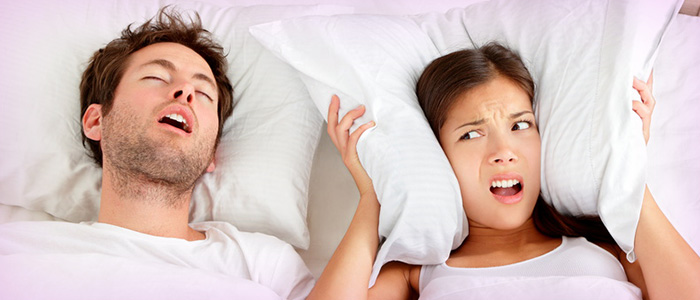
The nocturnal occurrence of sleep apnea and the fact that those who suffer from it may be oblivious to their symptoms make self-diagnosis difficult. The suspicions of a bed partner or close family member are often the first to be raised.
However, there are a number of telltale indicators that you may watch out for to determine if you have sleep apnea. You should see a doctor if you or a loved one exhibit any of these symptoms for a thorough examination and diagnosis. Common symptoms of sleep apnea include:
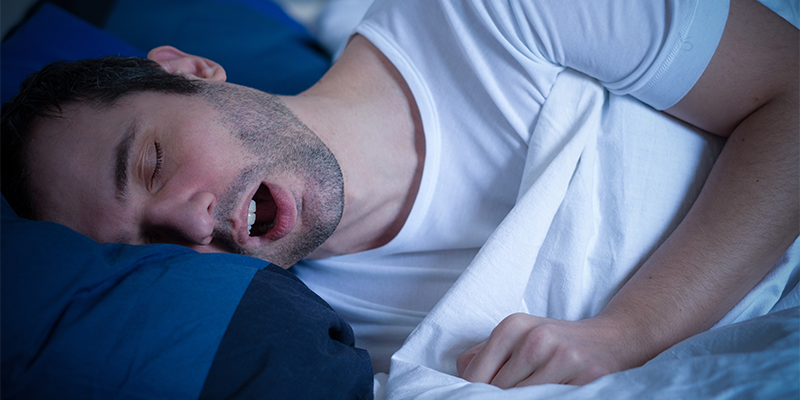
While snoring is rather common, especially among adults, loud and persistent snoring might be an indication of sleep apnea, especially if it is accompanied by gasping or choking noises.
Sleep-related breathing pauses are brief periods of non-breathing that are followed by a gasping or choking sound.
The term “excessive daytime sleepiness” refers to a condition in which a person experiences excessive weariness or sleepiness during the day, even when they should not be sleeping.
Oxygen desaturation during sleep apnea episodes has been linked to morning headaches.
Disrupted sleep has been linked to a variety of cognitive disorders, including inattention, forgetfulness, and memory impairment.
An increased likelihood of irritation, mood swings, and tension in those with sleep apnea.
Sleep apnea has been linked to nocturia, or the desire to pee repeatedly during the night.
Mouth breathing, which is frequent in people with sleep apnea, can cause symptoms such as waking up with a dry mouth or sore throat.
Some people with sleep apnea experience a decline in libido or sexual dysfunction.
Sleep apnea symptoms may include tossing and turning throughout the night or being awakened repeatedly throughout the night for no apparent reason.
The degree of symptoms can also vary greatly from person to person, and not everyone with sleep apnea will experience all of the above. Furthermore, the presence of one or more of these symptoms does not unquestionably establish a diagnosis of sleep apnea, as these symptoms may also be present in other sleep disorders and medical diseases.
What is sleep apnea and how do you get it?
Repeated pauses in breathing during sleep describe sleep apnea, a sleep condition. Apneas occur when the muscles at the back of the throat relax and close up the airway, preventing the person from breathing for a few seconds. The two most common forms of sleep apnea are:
The most frequent kind of sleep apnea is obstructive sleep apnea (OSA), which happens when the throat muscles relax too much during sleeping and cause a partial or total obstruction of the upper airway. Because of the blockage, regular breathing is disrupted, and the individual may briefly awaken to regain control of their breathing. Lowered blood oxygen levels, interrupted sleep, and irritability throughout the day are all possible outcomes of OSA.
OSA’s Roots and Precipitating Conditions
Excessive fat around the neck is a strong predictor of obstructive sleep apnea.
Airway blockage can be caused by a number of anatomical factors, including a naturally small airway, swollen tonsils, and a deviated septum.
Changes in muscular tone and the muscles of the neck make OSA more prevalent in the elderly.
Gender: Men are more likely to suffer from OSA than women are, but postmenopausal women are at a higher risk.
There may be an increased risk if sleep apnea runs in the family.
The use of alcohol or other sedatives or muscle relaxants increases the risk of airway collapse while sleeping because they relax the muscles in the back of the throat.
Less frequent than OSA is central sleep apnea (CSA), which happens when the brain stops sending proper signals to the muscles that control breathing during sleep. CSA is not associated with an actual blockage of the airway like OSA is.
Congestive heart failure, atrial fibrillation, and other cardiac disorders can interfere with the brain’s ability to regulate breathing, leading to central sleep apnea.
Brainstem problems, stroke, or encephalitis can all impair the regions of the brain responsible for breathing, leading to CSA.
Medication Opioid pain relievers and other high blood pressure treatments might cause problems with the brain’s ability to regulate breathing.
Being overweight, having a family history of sleep apnea, being a man, and being older are all risk factors for the condition. Smoking and excessive alcohol intake are two additional lifestyle variables that can exacerbate or cause sleep apnea.
What happens if you have sleep apnea?
Negative effects on health and quality of life from untreated sleep apnea are numerous and far-reaching. Untreated sleep apnea can lead to a variety of serious health problems.
The extreme daytime sleepiness (EDS) that occurs as a result of sleep interruptions is a classic sign of sleep apnea. Daytime alertness and productivity may suffer in those who suffer from sleep apnea. In the context of driving or operating heavy machinery, this can be quite hazardous.
Chronic tiredness, inability to focus, and memory loss are all possible side effects of sleep apnea. It may be difficult or people to maintain attention, think clearly, and retain knowledge.
Untreated sleep apnea has been linked to an increased risk of cardiovascular issues such as:
Sleep apnea hs been linked to hypertension (high blood pressure) because of the rise in blood pressure that occurs during apnea occurrences and periods of decreased oxygen saturation.
Arrhythmias (irregular heartbeats) and coronary artery disease (CAD) are only a few of the cardiac problems that have been related to sleep apnea.
People who suffer from sleep apnea are more likely to have a stroke.
Sleep apnea has metabolic consequences, including an increased chance of developing type 2 diabetes and insulin resistance.
Obesity and weight increase are risk factors for developing sleep apnea, and both can be exacerbated by poor sleep quality and disrupted sleep.
Sleep apnea has been linked to an increased risk of developing mood disorders like despair and anxiety. Untreated sleep apnea patients can also suffer from irritability and mood changes.
Daytime drowsiness, decreased cognitive function, and persistent health problems can all contribute to a diminished quality of life and make it difficult to engage in meaningful social and professional pursuits.
Accidents, both on the road and in the office, are more likely to occur in people with sleep apnea because of the condition’s negative impact on alertness and cognitive function.
Relationship troubles might arise when one partner’s sleep apnea causes them to snore loudly and wake up frequently.
Condition WorseningSleep apnea can make preexisting diseases like asthma and COPD even more difficult to manage.
Can sleep apnea be cured?
Although moderate to severe sleep apnea may often be effectively treated and controlled with the right medications and lifestyle modifications, it may not always be cured. The success of treatment is often contingent on the nature and severity of the underlying ailment, as well as on the patient receiving care. Some methods of treating and controlling sleep apnea include:
Modifying your way of living can have a major impact on sleep apnea, even in moderate cases. Some of these are adjusting your sleeping posture (if you’re overweight), avoiding alcohol and sedatives, and sticking to a regular sleep schedule.
The use of a CPAP machine is a widespread and extremely successful method of treating obstructive sleep apnea. The patient wears a mask connected to a continuous positive airway pressure (CPAP) machine while sleeping.
Dentist- or sleep-specialist-prescribed oral appliances adjust the jaw and tongue to prevent obstructive sleep apnea.
Positional Therapy: For some people, sleep apnea only occurs while they’re in a certain posture (like the supine position). Positional treatment involves the use of aids or methods to promote sleeping in a posture that does not cause apnea.
When alternative therapies have failed, or when there are structural abnormalities in the throat or airway, surgery may be a viable choice. Uvulopalatopharyngoplasty (UPPP), Genioglossus Advancement (GA), and Maxillomandibular Advancement (MMA) are all possible surgical options.
Implanted neurostimulation devices that stimulate the hypoglossal nerve may help some people avoid sleep-related airway collapse.
Management of Body Mass Index (BMI): If obesity is a component in sleep apnea, losing weight through a combination of dietary changes and physical activity can significantly lessen the condition’s severity.
Modifications to one’s way of life, such as giving up cigarettes, dealing with allergies, and avoiding sedatives and alcohol, might alleviate some of the symptoms of sleep apnea.
Individuals respond differently to treatment, therefore it’s crucial to personalize treatment programs based on each patient’s unique set of circumstances. While medication and lifestyle adjustments may alleviate sleep apnea symptoms for some people, others will require continuing management to keep their condition under control.
Can I test myself for sleep apnea?
There is no foolproof way to determine if you have sleep apnea, but there are measures you may take to determine if you are at risk and should visit a doctor. Consider the following when you do your own evaluation:
Learn to Recognize SymptomsBe on the lookout for the telltale signs of sleep apnea, such as loud and persistent snoring, gasping or choking during sleep, excessive daytime lethargy, morning headaches, and trouble focusing. You should be checked out further if you or your partner in bed experience any of these symptoms.
Risk factors for sleep apnea should be evaluated. Obesity, a history of sleep apnea in the family, being male, being older, and a neck circumference of more than 17 inches (in males) or 16 inches (in women) are all significant risk factors. Sleep apnea is more likely to occur when many risk factors are present.
Take a Self-Screening Questionnaire: There are a number of sleep apnea risk evaluation quizzes available online. The STOP-BANG questionnaire is the most popular. The questions cover topics including snoring, fatigue, apnea observations, hypertension, obesity, age, neck size, and sex. Keep in mind that while these quizzes might give you a general idea, they are not meant to replace a proper diagnosis from a medical expert.
If you sleep with someone else, inquire as to whether or not they have seen any symptoms of sleep apnea, such as loud snoring or pauses in breathing while you were asleep. You can use their input into risk assessment.
Maintain a sleep journal to record your sleeping habits and any associated symptoms over a period of time. Details about when you go to bed and when you wake up, the quality of your sleep, and any daily symptoms you have should be included. A healthcare professional may gain valuable knowledge from this data.
The se of sleep tracking equipment can help you learn more about your sleeping habits, such as whether or not you snore or have bouts of restlessness. These resources can be helpful, but they shouldn’t be used in place of a professional opinion.
A healthcare practitioner specializing in sleep medicine should be consulted if major risk factors are present, if symptoms of sleep apnea are experienced, or if feedback is received from a bed partner that sleep apnea may be present. Sleep apnea can be diagnosed after a comprehensive assessment, which may involve a sleep study (polysomnography).